
Buying guide · 5 min read
Dealer or Private Seller: Do You Still Need an Inspection?
We inspect used cars at dealers and private sellers. The questions about paperwork and access change depending on who’s selling. I still want to see how the car starts, drives and stops before you pay.
Updated Nov 2026
Ask the dealer what it checked
Ask for the dealer’s inspection sheet and any repair orders. If the listing says the vehicle was serviced, ask which work was done and whether anything was recommended but deferred. A dealer may have put on new tires, repaired a leak or performed routine maintenance. Ask for enough detail to see what the invoice actually covers.
Find out whether there’s a warranty and get the terms in writing. Ask who handles a claim and which parts or circumstances are covered. We record the car’s condition during the appointment. You can compare the report with what the dealer told you and ask follow-up questions before signing.
Ask the private seller how the car was used
A private seller can sometimes tell you more about where the car was parked, how often it was driven and how they handled repairs. Ask what they’d fix next if they kept it. Give them a chance to explain any warning lights, leaks or noises they’ve noticed. A specific answer is easier to check against records and the condition I find.
Ask to see service invoices and confirm they relate to this car. Check that the person selling has authority to do so. If someone else has the keys or keeps the car at another address, get that information before setting an appointment.
Confirm the second set of eyes is welcome
Ask whether an independent inspector can meet at the vehicle, perform an exterior and interior check, use supported diagnostics and take a road test when safe. I go to the seller. You can be elsewhere and review what we found through your account and by phone.
At a dealer, ask who can make the car available and whether the vehicle might move to a different lot. For a private seller, ask which days and times work and whether there is safe space around the car. If the location changes, tell me so I can update the appointment.
See how the car starts cold
Ask both sellers to leave the engine cold until the appointment if possible. Some noises, starting problems and smoke are easiest to see on the first start. If the car has already been warmed up, ask how long ago it was driven and whether the seller has noticed any trouble at startup.
If the seller says the car makes a noise only on certain roads, after starting or at a particular speed, send me their description. I can pay attention to that condition where it’s safe to do so. After the visit I can explain what we observed and what still needs follow-up.
Use history and service records together
A history report can help you check reported events, where the car spent time and some recorded service. Service invoices tell you what someone paid a shop to do. We compare the paperwork with the vehicle as it sits, looking for concerns such as uneven wear, fresh leaks or previous work.
A repair invoice may explain why a part looks newer. If the invoice says a problem was diagnosed but doesn’t show the repair, ask whether the work ever happened. If an older invoice mentions a recurring symptom, find out how it has behaved since.
Know what to do with the report
We send photos and explain what we observed. Suppose I find that the A/C blows warm. You can ask the seller about previous diagnosis, get an estimate or decide how much the car is worth to you with that issue. A list of repairs without that context can make it hard to tell which items affect your decision.
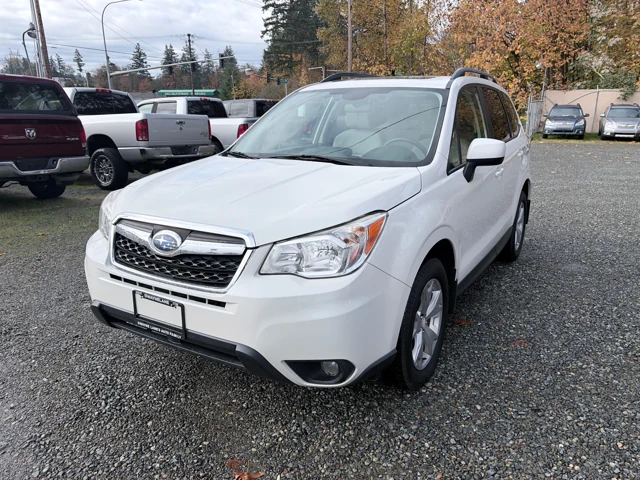
My Subaru Forester case study is a good example. The vehicle drove well during my road test and still had A/C and windshield concerns worth discussing. Ask the seller about those items and whether the asking price reflects what you’ll need to address.
Compare what each seller tells you with the car you see
Ask for photos of the instrument panel with the car running and close-ups of any damage. A seller who describes a mark as minor may mean it is small, while you might care whether it goes through the paint. Put those details in your order so we know what to look for. After the inspection, talk with the seller about the specific items the report raises and get an estimate if a repair would change your decision.
Agree on the timing before you pay
Find out whether the seller will hold the car while the inspection is arranged and what any deposit terms are. If a seller asks you to buy the car first, decide how much risk you’re willing to take without an independent look. A different listing may give you more time to review the records and inspect the car.
Once you have the correct location, the VIN or other vehicle details and a reachable seller contact, review my mobile car inspection service. You can book a used car inspection and include anything in the listing that worries you.
Subaru Forester case studymobile car inspection servicebook a used car inspection