Road tests are done when safe and permitted.
Engine codes matter more than the badge alone
We identify the engine and production range before discussing a BMW’s known issues. A 328i with an N20 or N26 engine is a different inspection conversation from a later 330i with a B-series engine.
BMW’s published timing-chain information covers specified N20/N26 vehicles, including certain 2012–2015 applications. We ask for any related repair invoice and listen for unusual startup or running noise.
A quiet engine does not prove that internal guides have been replaced or that a particular VIN has no risk. We do not remove covers to inspect the chain.
The report distinguishes a documented repair from a seller’s general claim that the common problems have been fixed.
Oil and coolant leaks by location
We look around accessible valve-cover areas, oil-filter housings, cooling connections and the underside for leakage or residue. The point is to show where the evidence sits, not to promise a gasket replacement estimate from a driveway.
An upper-engine leak can travel before it reaches the ground, and a freshly washed engine may hide its path. I photograph accessible wet areas and compare them with fluid levels and warning information.
On a turbocharged BMW, I also note visible hose or charge-pipe concerns and drivability symptoms. We do not assume a boost code proves the turbo itself is defective; a code and a cause are different things.
xDrive, tires and the road test
An xDrive BMW needs tires that suit the system and the installed wheel configuration. Some cars intentionally use different front and rear sizes, so we compare the actual setup with the vehicle specification rather than demanding four identical sidewall numbers.
We measure tread and watch for unusual wear patterns, then listen for vibration, binding or shudder during safe operation. The same sensation can have more than one cause, including wheels, tires or driveline components.
I report the symptom and any supporting evidence. If the drive is restricted to a short lot route, we explain that limit instead of describing the transfer case as fully tested.
X3, X4 and X5 body and suspension details
On BMW SUVs We check the tailgate, cargo-area trim, seat functions, roof equipment and cameras, as well as the chassis. Large wheels can show curb damage that is easy to overlook in a wide listing photograph.
We look at the wheel edges, tire sidewalls, suspension behavior and steering response together. On a vehicle with optional air suspension or adaptive equipment, we test the accessible controls and note warnings.
A level stance during the appointment does not establish overnight leak performance. Body panel measurements are taken on compatible surfaces, with missing or unsuitable readings identified.
iDrive, modules and low-voltage history
We test the fitted screen, cameras, locks, windows, climate controls and seat functions, and scan supported modules. BMWs can store several communication or low-voltage-related entries after an electrical event.
I separate history information from active warnings and describe what worked during the visit. We do not erase codes to make a report look cleaner.
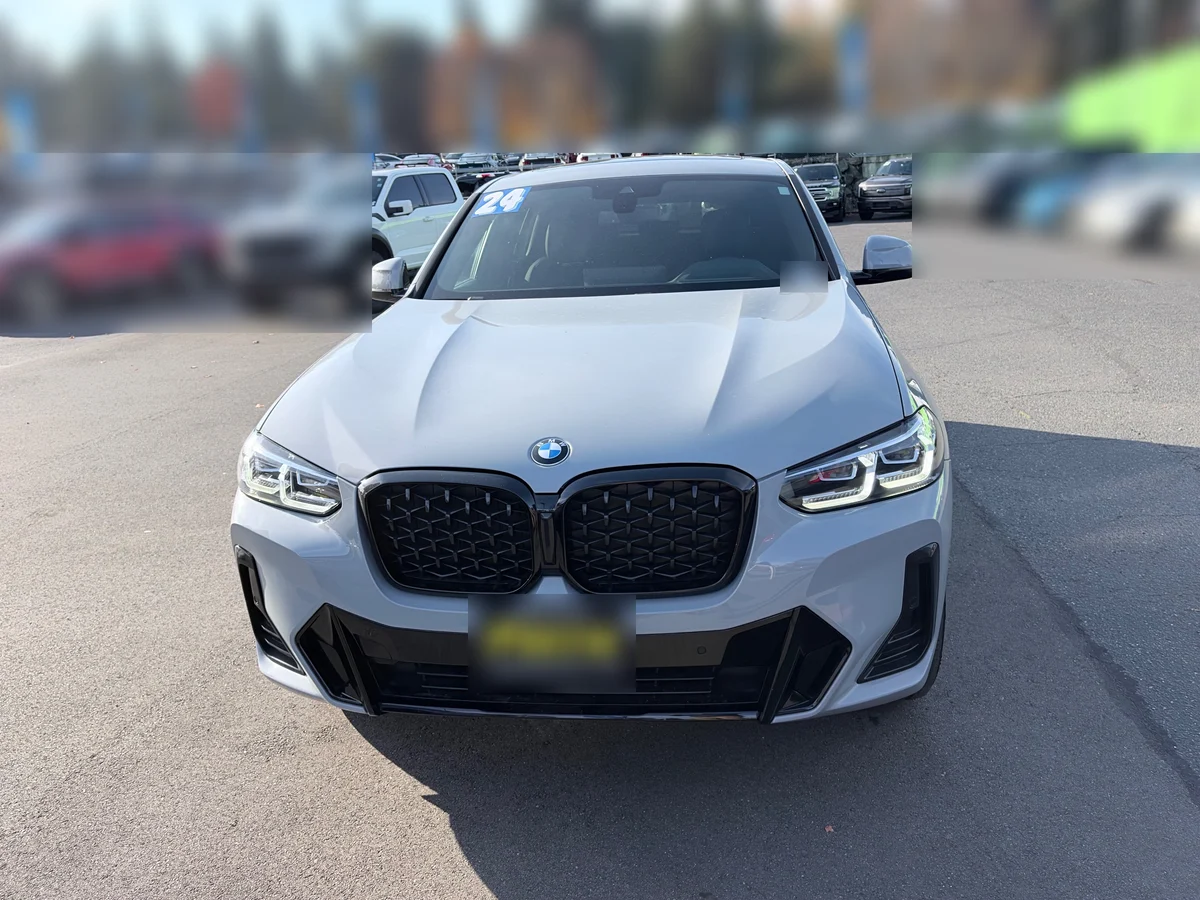
In a real 2024 BMW X4 inspection in Seattle, I recorded cosmetic scratches and curb rash alongside a normal-feeling road test and history codes that I assessed in context. That is the kind of distinction a buyer needs: neither a long code list nor a smooth drive should stand alone as the whole condition assessment.
M cars, electric BMWs and buying from away
An M model may have visible modifications and a different use history from a standard commuter BMW. We ask for service and tuning documentation and note the equipment We can verify.
An i3, i4 or iX requires attention to charging and accessible high-voltage-system information instead of gasoline-engine checks. We do not perform a traction-battery capacity test.
If you are buying remotely, send the specific concerns in the advertisement so we can address them during the visit. The report explains the pictures, codes and road-test notes, including any item that needs a BMW specialist or additional testing before you decide whether to proceed.