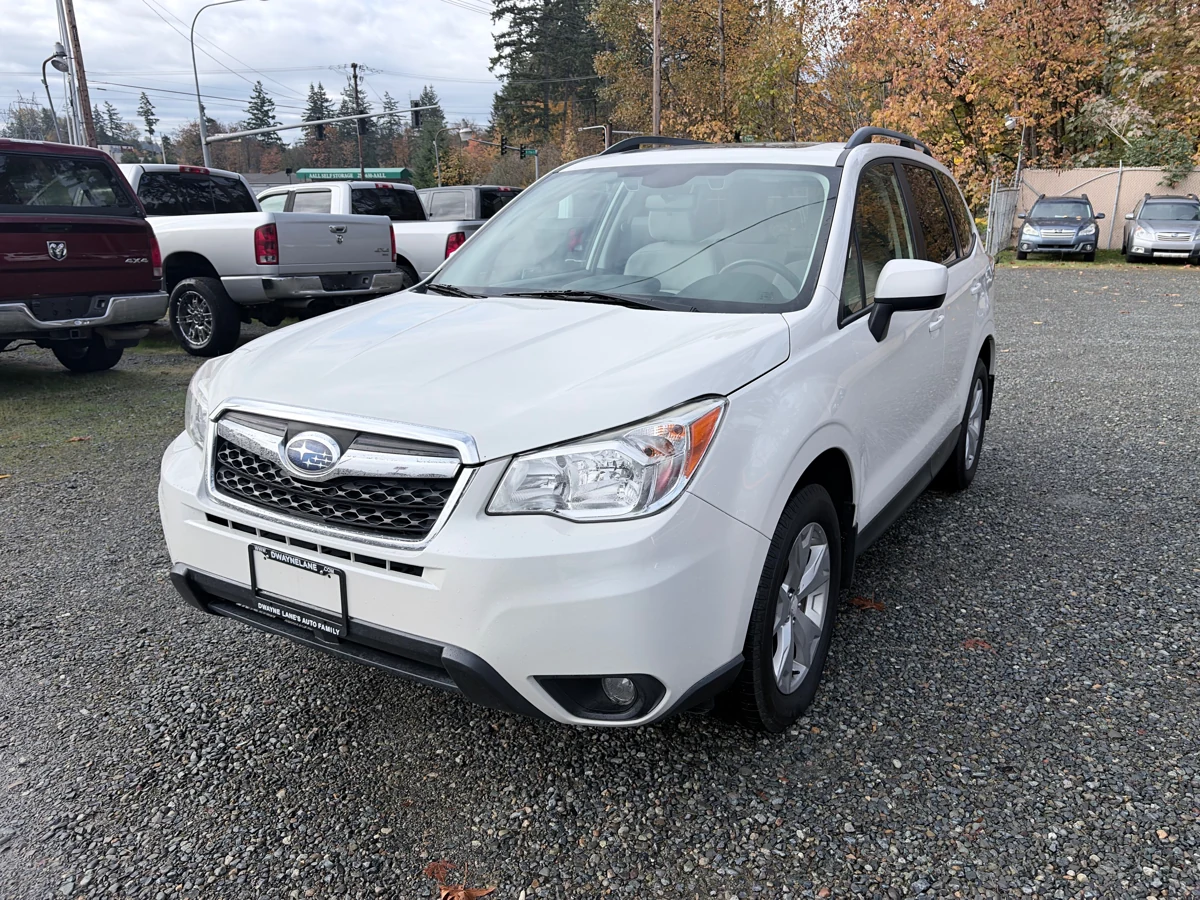
Road tests are done when safe and permitted.
Older EJ engines and newer FB engines need different questions
I start by identifying the engine and transmission rather than treating every Outback or Forester as the same car. On an older naturally aspirated 2.5-liter EJ engine, we look closely at the accessible head-to-block seams for oil or coolant staining and ask for head-gasket and timing-belt invoices.
A receipt should identify the work actually performed, not simply say “engine serviced.” Later FB engines use a timing chain, so a timing-belt question does not fit them. We check the oil level, look for leakage and listen at startup.
A short inspection cannot establish oil consumption over several thousand miles, which makes the seller’s top-up history useful.
CVT years, symptoms and service evidence
Subaru’s published CVT warranty extension included specified 2010–2015 Legacy and Outback models and selected Impreza, Crosstrek, Forester and WRX applications. That history tells us to pay attention; it does not tell us that a particular transmission is defective or still covered.
We compare engagement from Park into Drive and Reverse, low-speed response, steady acceleration and any vibration once the drivetrain warms up. We record noises, warning messages and supported diagnostic findings.
A smooth drive today does not replace documented service. We ask whether the correct fluid and procedure were used, because “transmission fluid changed” can mean very different things depending on the shop and gearbox.
AWD tires, wheel bearings and Northwest use
We measure tread across all four tires and compare the installed sizes, brands and wear patterns. A Subaru with one substantially different tire deserves a clear note because the AWD system depends on compatible rolling circumference.
I listen for a wheel-bearing hum that follows road speed, while recognizing that rough pavement and tire noise can sound similar. Tight turns, straight-line tracking and pavement transitions help us describe the symptom without guessing at a repair.
On an Outback or Crosstrek used for mountain trips, I photograph accessible underside scrapes, damaged splash shields and corrosion. Road grime is ordinary; crushed mounting points or heavy flaking deserve a different conversation.
Forester, Outback and Ascent equipment
We test the equipment fitted to the actual Subaru: rear hatch, seat heaters, panoramic roof where present, climate controls, cameras and warning lamps. On an EyeSight-equipped vehicle, I note windshield damage, dashboard warnings and visible camera-area obstruction.
We cannot certify camera calibration in a seller’s driveway. If a windshield has been replaced, we ask for the calibration record rather than assuming that a warning-free dashboard proves the work was done.
On three-row Ascents, we check the rear seating, rear climate operation and cargo-area evidence of water entry. On a Forester, we look around the roof opening and headliner for staining as well as testing the switch.
WRX modifications and engine evidence
A WRX needs a different discussion from a stock commuter Impreza. We record visible intake, exhaust, suspension and wiring changes and ask whether the seller has the original parts and tuning documentation.
We do not identify the installed calibration from appearance alone, and we do not promise a compression result without performing that separate test. During a permitted drive, we pay attention to clutch take-up on manual cars, gear selection, boost-related hesitation and unusual smoke.
Any concern goes into the report with the conditions under which we observed it. That gives you useful evidence to discuss with a Subaru specialist before paying for a modified car.
Records and the buying decision
I want the Subaru’s oil-service records, transmission work, cooling-system invoices and repair history alongside the listing. The same badge can cover very different engines across model years, so we compare the paperwork with the VIN and the vehicle in front of me.
I separate a current leak or drivability symptom from a historical computer code. My real Forester case study shows that distinction: the road test and the findings both matter, and a generally good drive can still leave specific items to address.
After you read the photos and notes, the report explains what was observed, what could not be verified and which questions remain for the seller.