Road tests are done when safe and permitted.
Vanagon engines and cooling-system differences
We identify the engine actually fitted before evaluating an older Volkswagen. Early U.S.
Vanagons include air-cooled versions, while later water-cooled vans add long coolant plumbing and a different set of leak and temperature questions. Engine conversions can change the inspection plan again.
We ask for invoices that identify the installed engine, conversion work and maintenance, rather than assuming the rear badge describes the current drivetrain. We check accessible leaks, hose condition and startup behavior, and observe available road-test operation.
An attractive rebuilt-engine claim needs documentation. My inspection does not establish internal engine condition through a compression test or teardown, and we explain when a buyer should arrange a separate specialist evaluation.
Vanagon body seams, floor areas and repairs
We look at accessible lower seams, wheel openings, step areas, floor edges and structural mounting locations for visible corrosion and repair evidence. A shiny repaint can coexist with rust underneath, so we compare panel transitions and the accessible underside.
We do not scrape off coatings or remove interior panels to inspect hidden cavities. Fresh sealant or undercoating is described as observed, not treated automatically as either proof of a problem or proof of a successful repair.
On a camper, I also look around the roof opening, window areas and accessible cabinetry for moisture evidence. The report separates what is visible from what the seller says was previously repaired.
Pop-top campers and practical equipment checks
A Vanagon camper needs attention to the pop-top fabric, visible seals, hinges, latches and available lifting operation, as well as the ordinary vehicle systems. We check the fitted equipment that can be safely demonstrated with the seller’s permission and required supplies.
We look for tears, staining, damaged trim and evidence of water collecting around accessible openings. We do not force an obstructed roof or call an appliance tested when fuel, power or water is unavailable.
A well-presented camping layout is useful only if you understand which parts actually operated during the appointment. Photographs and explicit testing limits help you decide whether a particular feature needs follow-up before the sale.
Bus and Beetle air-cooled details
On an air-cooled Bus or Beetle We pay attention to accessible cooling tin, visible fan or belt areas as appropriate, fuel plumbing, oil leakage and unusual running behavior. The parts fitted to an old Volkswagen may differ from the factory arrangement, so we describe what is present rather than assuming every modification is an upgrade.
We look at accessible floor pans, heater-channel areas, jacking locations and body mounts for corrosion or visible repairs. We do not establish concealed structural integrity by looking only at a painted exterior.
Ask for restoration photographs and invoices that show the work underneath the finish. The seller’s story and the physical evidence should support each other before you commit to a collector vehicle.
Steering, shifting and road-test limits
Older Volkswagens can feel different from a modern car without every difference being a fault. I still check steering response, visible suspension condition, braking behavior and gearbox operation during a safe permitted drive.
We describe excessive play, unusual vibration, grinding, difficult selection or noise under the circumstances in which it occurs. On a Vanagon We pay attention to the long shift linkage and drivetrain behavior; on a Beetle or Bus I match the checks to its actual configuration.
We do not use an aggressive drive to stress an old engine or promise a vehicle is ready for a long trip based on one route. Any restriction on the road test is recorded clearly.
A real Vanagon report you can inspect yourself
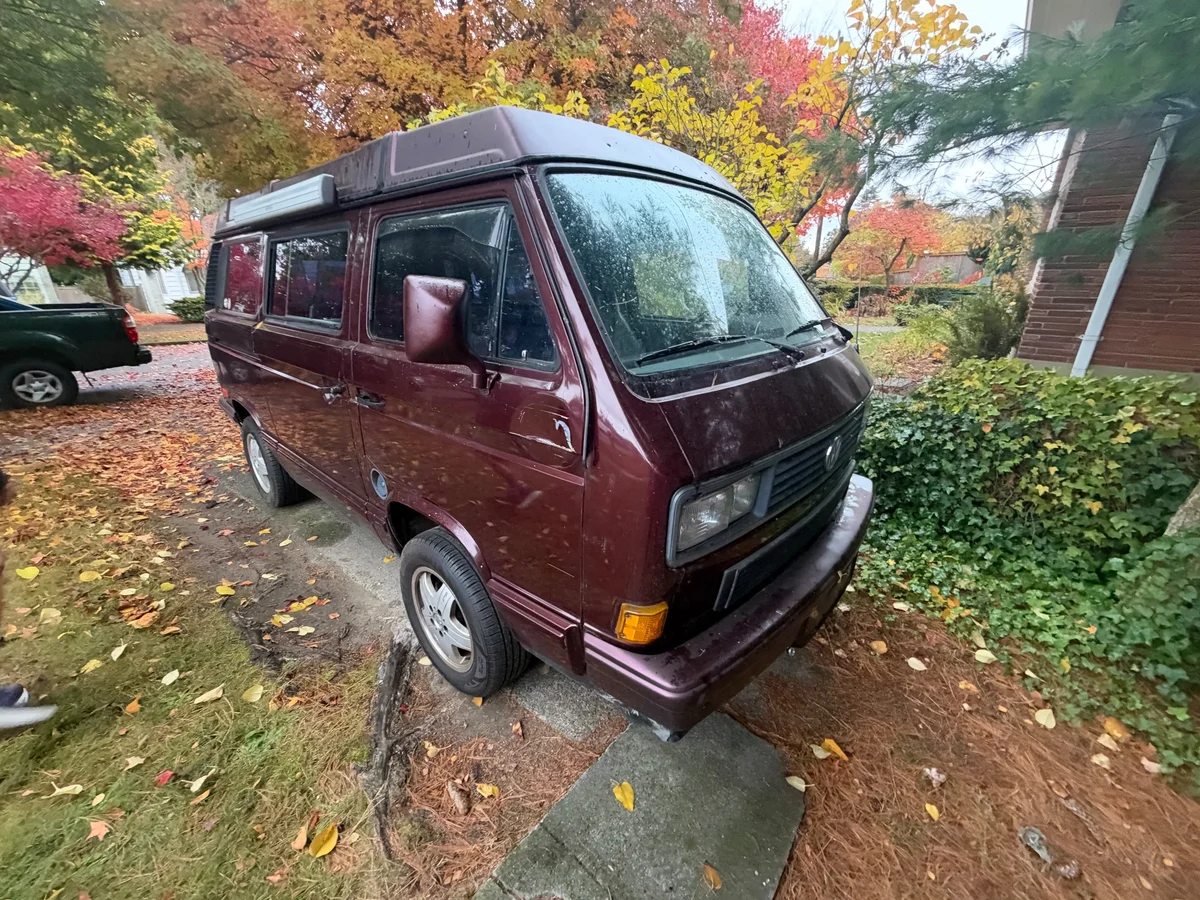
My public Classic sample is a real 1990 Volkswagen Vanagon inspection, with the original findings and measurements preserved and identifying details protected. Its front three-quarter cover and full photo carousel show the exterior and the details behind the notes, rather than a made-up restoration story.
We use that report to show how I distinguish visible concerns, normal observations and limits on access or testing. Your own Volkswagen may have a different engine, conversion, restoration history or intended use, so it receives its own findings.
After the visit We provide a photo report with plain-English findings, including which questions deserve a specialist’s answer before you buy an older daily driver or camper.