Road tests are done when safe and permitted.
RAV4 generations and the drivetrain in the listing
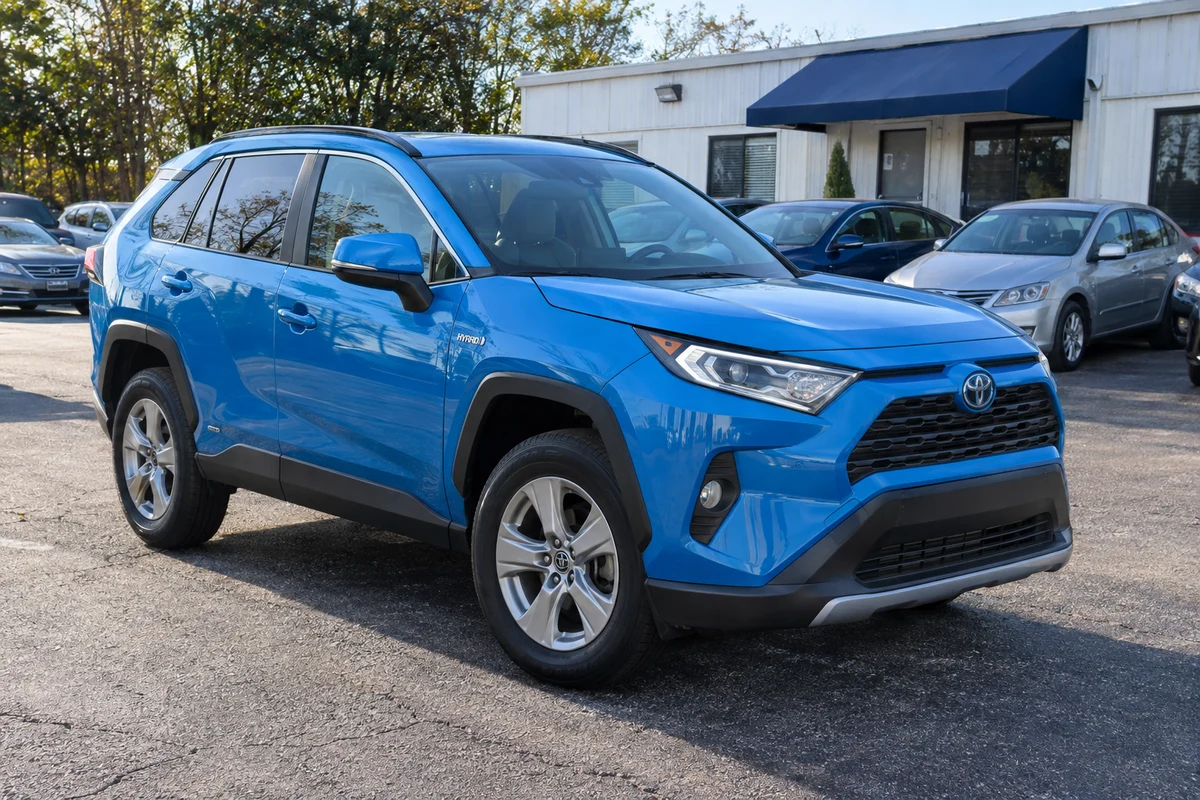
We identify whether the RAV4 is gasoline, hybrid or plug-in hybrid before checking its operation. A 2013–2018 gasoline RAV4 and a 2019-and-newer hybrid have different systems and maintenance questions.
We compare the listing with the VIN, inspect accessible leakage and underbody areas and check the available driving modes. On an AWD version, we compare tire condition and listen for drivetrain noises during a safe permitted drive.
An AWD badge does not establish that every component works. We describe what the car demonstrates, what the scan supports and what could not be tested, rather than applying one generic Toyota reliability claim to every RAV4.
Highlander family use and three-row equipment
On a Highlander We check the rear seats, belts, hatch, climate zones and fitted cameras as well as the powertrain. Family vehicles can hide wear under cargo mats or around frequently used seat releases, so we look at those accessible areas and photograph concerns.
We ask about towing equipment and check visible hitch and wiring condition. The first two Highlander generations differ from the 2014–2019 and 2020-and-newer models, including their available engines and hybrid arrangements.
We identify the actual configuration before reviewing service records. A rear climate-control problem matters to a buyer even when the engine runs smoothly, so the report gives cabin operation the same factual treatment as mechanical findings.
Camry engines, gearboxes and service evidence
A Camry’s model year does not tell the whole story without the engine and transmission. I distinguish four-cylinder, V6 and hybrid configurations and ask for the service history relevant to that car.
At startup I listen for unusual noises, check visible fluid condition and look for leaks. During a permitted drive, we check engagement, acceleration, shifting behavior and braking feel.
A hesitation or vibration is reported as an observed symptom, with its conditions, rather than assigned an unverified repair. We compare visible panel condition and inspect the cabin equipment too.
A mechanically smooth sedan can still have previous body repairs or water-entry evidence worth knowing before you buy.
Prius generations and inverter history
A second-generation 2004–2009 Prius is a different proposition from a third-generation 2010–2015 car or a later redesigned model. Toyota’s recall information for certain 2010–2014 Prius vehicles describes an inverter-related concern, so we ask for VIN-specific completion evidence when that application is relevant.
We do not assume a recall record means a current failure, or that every Prius has the same equipment. We look for warning information, check supported diagnostics and observe transitions between gasoline and electric operation when conditions allow.
The seller’s maintenance and repair invoices are important, especially when a listing claims a replacement hybrid battery or inverter. We want documentation of the actual part and work performed.
Hybrid battery information and cooling access
We record the accessible hybrid-system information and inspect visible cooling-intake areas where they can be reached without removing trim. A dirty or obstructed intake deserves a note, but it is not a measured battery-capacity result.
Dashboard energy graphics and displayed economy do not prove the remaining life of a traction battery. We do not open high-voltage assemblies or certify future battery performance.
If battery capacity is your main purchase concern, we recommend the appropriate specialist test before the sale. My report still checks the rest of the Toyota: body, tires, suspension, brakes, cabin functions and road behavior, because an appealing hybrid-system story should not distract from ordinary vehicle condition.
Corrosion, body repairs and water entry
We look underneath accessible parts of a Toyota crossover or sedan for corrosion, damaged covers, impacts and leakage. A vehicle advertised in Washington may have lived elsewhere, so we ask about its prior location and compare the answer with visible condition.
Paint measurements are taken on compatible panels, and we explain missing or unsuitable readings instead of filling gaps with guesses. In the cabin We check for damp trim, staining and odors, especially around hatch and roof areas where fitted.
We do not claim that a clean vehicle-history report rules out a repair or that a dry floor on one day proves the car never leaked. The photographs show the evidence behind each note.
Pick the Toyota inspection that matches your purchase
This guide focuses on RAV4, Highlander, Camry, Prius and other Toyota cars and hybrids. Tacoma and 4Runner buyers have a separate guide for frames, rear suspension, 4WD and off-road modifications.
We also inspect other Toyotas; the actual age and model determine whether Modern, Luxury & Exotic or Classic applies. My completed Toyota work includes a Sequoia inspection, but we do not present that SUV as a made-up RAV4 or Prius example.
Send the vehicle details and seller contact when booking. We can then coordinate access, inspect the actual car and discuss the findings with you before you decide whether to negotiate or proceed.